
Discover the top 5 greatest Nobel Peace Prize winners, their achievements, humanitarian work, and lasting impact on global peace.

🌍 Top 5 Greatest Nobel Peace Prize Winners in History
The Nobel Peace Prize is one of the world’s most respected honors. It recognizes individuals who have made outstanding contributions to peace, human rights, equality, and humanitarian service. Among hundreds of laureates, some names stand out for their global influence, moral courage, and lasting legacy.
Below is a detailed and informative article on the Top 5 Greatest Nobel Peace Prize Winners, whose work changed societies and inspired humanity across generations.
1. Martin Luther King Jr. (1964, United States)

Martin Luther King Jr. was awarded the Nobel Peace Prize in 1964 for his powerful leadership in the American Civil Rights Movement.
🌟 Why He Was Awarded
- Led the struggle against racial segregation and discrimination
- Advocated nonviolence, inspired by Mahatma Gandhi
- Mobilized millions through moral courage and peaceful protest
📜 Key Contributions
- Famous “I Have a Dream” speech (1963)
- Leadership in the Montgomery Bus Boycott
- Passage of the Civil Rights Act (1964) and Voting Rights Act (1965)
🌱 Global Impact
Martin Luther King Jr. transformed civil rights activism into a global model for peaceful resistance. His philosophy continues to guide movements for justice, equality, and human dignity worldwide.
2. Mother Teresa (1979, India)

Mother Teresa received the Nobel Peace Prize in 1979 for her lifelong dedication to serving the poorest of the poor.
🌟 Why She Was Awarded
- Founded the Missionaries of Charity in Kolkata
- Served the sick, dying, homeless, and abandoned
- Promoted compassion, humility, and unconditional love
📜 Key Contributions
- Opened homes for lepers, orphans, and terminally ill patients
- Expanded humanitarian work to over 130 countries
- Emphasized dignity in poverty and suffering
🌱 Global Impact
Mother Teresa became a universal symbol of selfless service. Her work reminded the world that peace begins with caring for the most vulnerable members of society.
3. Nelson Mandela (1993, South Africa)

Nelson Mandela was jointly awarded the Nobel Peace Prize in 1993 for ending apartheid and promoting national reconciliation.
🌟 Why He Was Awarded
- Led the struggle against apartheid
- Promoted peace after decades of racial oppression
- Chose reconciliation over revenge after imprisonment
📜 Key Contributions
- Spent 27 years in prison without abandoning peace
- Became South Africa’s first Black President
- Helped build a multiracial democratic nation
🌱 Global Impact
Nelson Mandela showed the world that forgiveness is a powerful political tool. His leadership remains a benchmark for peaceful conflict resolution and human rights.
4. Barack Obama (2009, United States)

Barack Obama received the Nobel Peace Prize in 2009 for his vision of global cooperation and diplomacy.
🌟 Why He Was Awarded
- Promoted multilateral diplomacy
- Advocated nuclear disarmament
- Strengthened international dialogue and cooperation
📜 Key Contributions
- Reset diplomatic relations with multiple nations
- Emphasized peaceful negotiation over conflict
- Supported global institutions and collective security
🌱 Global Impact
Though debated, the award symbolized hope for global unity and reinforced the importance of dialogue, diplomacy, and cooperation in international relations.
5. Malala Yousafzai (2014, Pakistan)
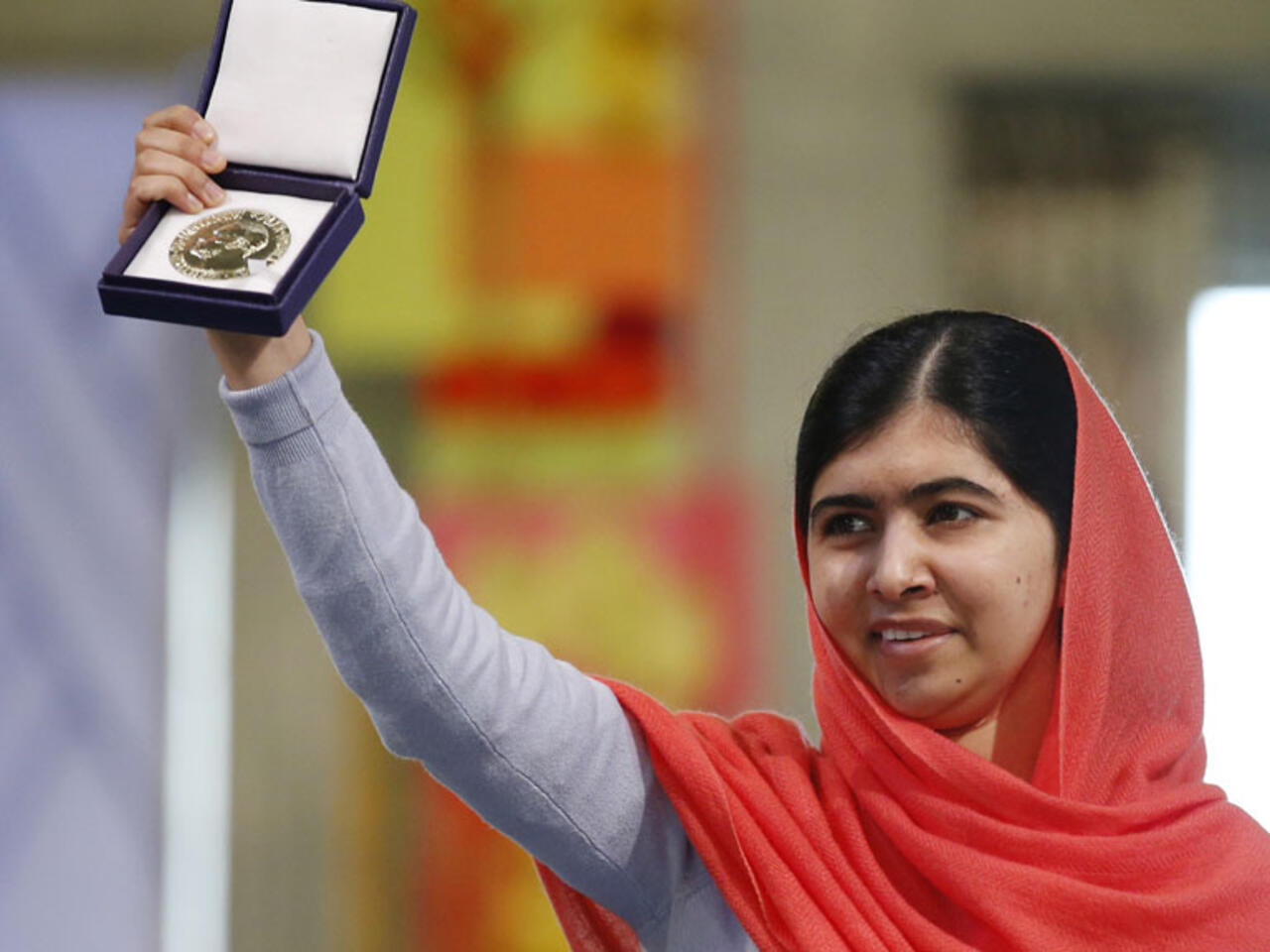
Malala Yousafzai became the youngest Nobel Peace Prize laureate in 2014 for her fight for girls’ education.
🌟 Why She Was Awarded
- Advocated education rights for girls
- Survived a Taliban assassination attempt
- Continued activism despite threats to her life
📜 Key Contributions
- Founded the Malala Fund
- Addressed the United Nations
- Raised global awareness about education inequality
🌱 Global Impact
Malala’s courage transformed her into a global voice for children’s rights. She represents resilience, hope, and the belief that education can change the world.
🕊️ Conclusion: Why These Five Matter Most
These five Nobel Peace Prize winners stand apart because they:
- Changed history through peaceful action
- Defended human dignity and equality
- Inspired millions across borders and generations
Their lives prove that true peace is built through courage, compassion, and commitment, not violence or hatred.